


Interview with Mostafa Essam
Spring 2026
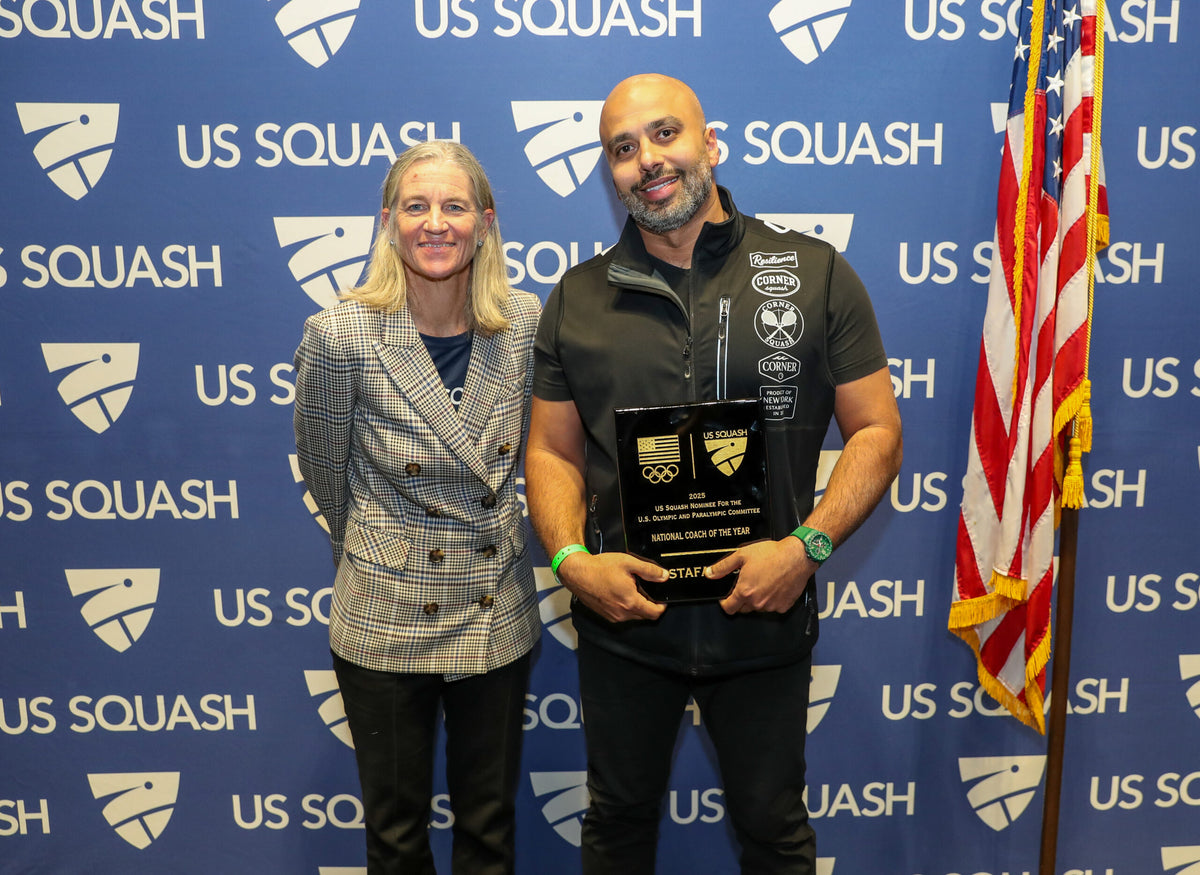
Q. Mostafa, congratulations on being named the 2025/2026
USOPC National Coach of the Year. It’s an incredible achievement.
How does that recognition feel?
Thank you, I really appreciate it. It’s a great honor, but for me, it reflects the work of all the players and the team around me. Coaching is never just one person—it’s a shared journey. Seeing players grow, improve, and achieve their goals has always been the most rewarding part, so this recognition means a lot.
Q. You grew up in Egypt—can you tell us where you’re from and how squash first became part of your life?
I’m from Cairo, Egypt, and I started playing squash when I was about eight years old. In Egypt, squash is a major sport—very much like soccer in Brazil. Most kids grow up around it, especially in multi-sport clubs where you’re exposed to different sports from a young age.
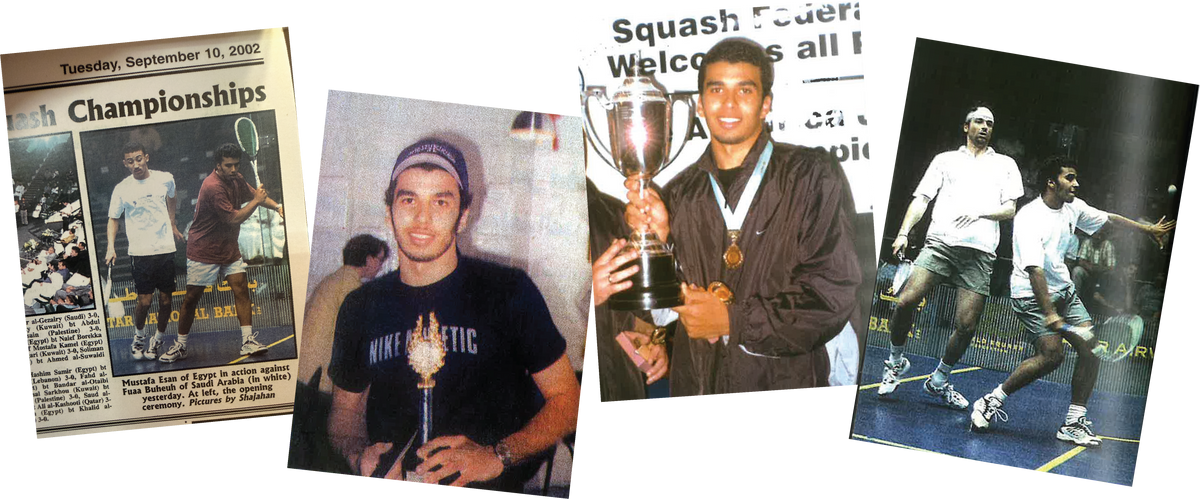
Q. You had an incredible junior career. What were some of the highlights?
I was fortunate to have a strong junior career. I reached No. 3 in the world in the Under-19 category and won multiple national championships in Egypt. One of the highlights was winning both the U15 and U17 divisions in the same year, which was a big milestone for me.
Q. Who influenced you the most growing up—either players or coaches?
There were many players I looked up to, especially Amr Shabana, who was a huge inspiration for Egyptian squash. But interestingly, I was also inspired by soccer coaches. Watching the Premier League, I became fascinated by how coaches impact players—not just technically, but mentally. That’s what first sparked my interest in coaching.
Q. What led you to move to the United States, and how did that transition shape your path?
I moved to the U.S. in late 2008. I started working at the Heights Casino in Brooklyn Heights and spent some years there. That experience eventually led me to start Corner Squash in 2011.
Q. When you began coaching in the U.S., what differences stood out between Egyptian and American squash?
Egyptian squash is very aggressive and attacking, while in the U.S. the style has traditionally been more structured, influenced by English and Australian systems. It can be a bit more predictable.
I saw an opportunity to combine those approaches—bringing Egyptian creativity and shot selection together with strong technical fundamentals.
Q. How would you describe your coaching philosophy today?
My coaching style is about building complete players through a system that combines the best elements from different coaching traditions.
Having trained in Egypt and coached in the U.S., I’ve been able to bring together multiple perspectives. For example, English focus on technique, French emphasis on footwork, and the creativity and attacking mindset of Egyptian squash. I’ve also drawn inspiration from movement and training methods in other sports like soccer and tennis to continue evolving how I teach.
All of that comes together into a unique approach, but at the core, everything is built on fundamentals. Strong fundamentals are what allow players to keep improving over time.
I always say: never stop learning the fundamentals.
Q. How did coaching in the U.S. change the way you teach the game?
In Egypt, players learn a lot just by being in the club and watching others. They spend hours there. Here, kids have more academic pressure and less time, so you have to teach everything more intentionally.
That pushed me to become more creative as a coach and to find better ways to teach each part of the game.
Q. When a young player walks into your program, what do you look for?
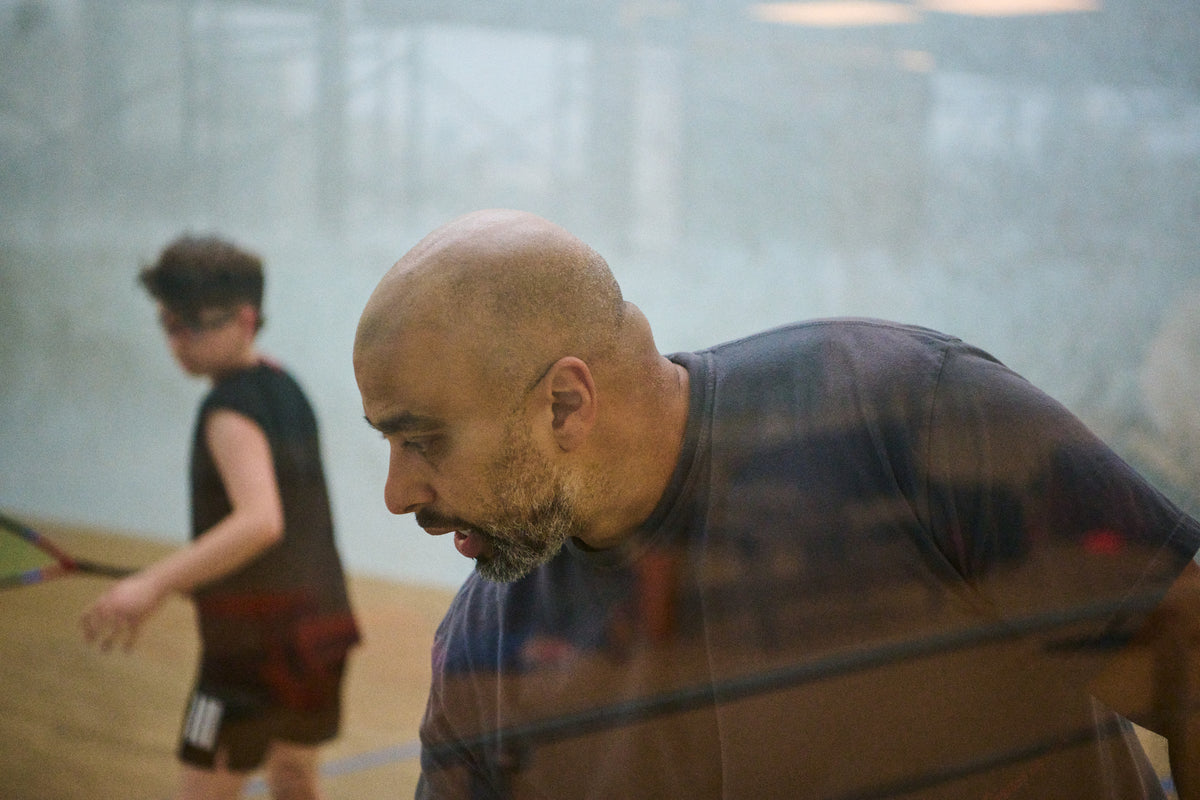
You can usually tell within 10–15 minutes if a player has potential. I look at coordination, how quickly they absorb information, and their emotional strength.
If those pieces are there, you can develop everything else.
Q. Have you seen players exceed expectations—or go in a completely different direction than expected?
Both happen. Some players make huge jumps when things suddenly click, and their level improves very quickly.
On the other hand, I’ve also seen top players step away from the sport after achieving a lot. Sometimes they’ve sacrificed so much early on that they want a different balance later in life.
Q. Across your most successful players, what qualities do they all share?
Work ethic. The best players train the same way whether someone is watching or not. That consistency is what separates them.
Q. Corner Squash feels like more than just a training program—it feels like a community. Is that intentional?
Yes, very much so. It comes from the culture I grew up in. Egyptian and Middle Eastern cultures are very family-oriented, and we try to bring that into our program.
We want players to feel supported, connected, and part of something bigger.
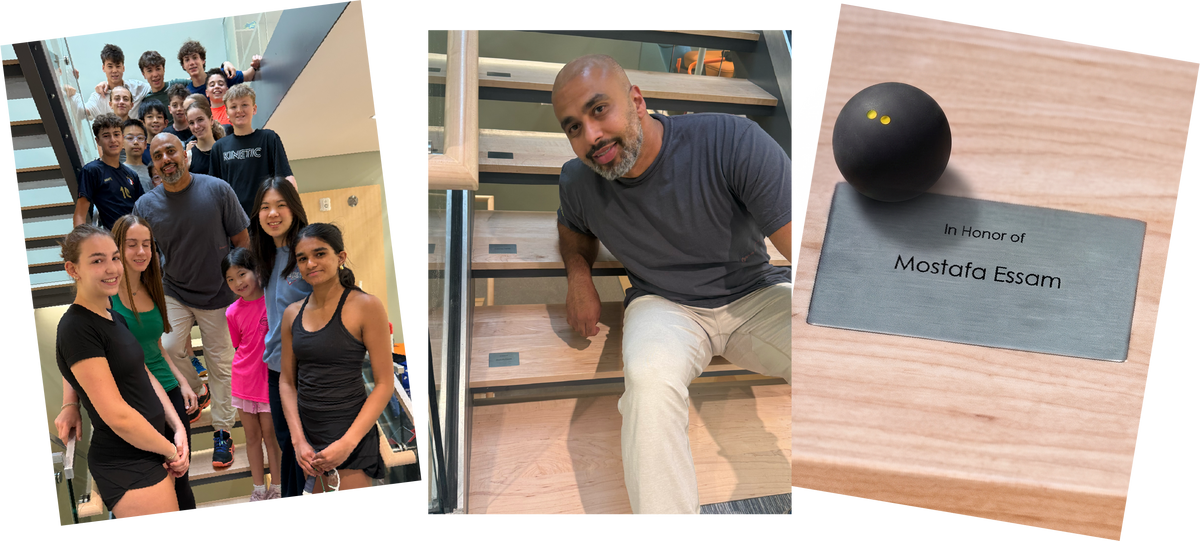
Q. Looking ahead, what is your vision for Corner Squash over the next 5 to 10 years?
I really enjoy developing players from the beginning and guiding them all the way through to college.
My goal is to continue building fundamentally strong players who keep improving over time—and to help more players reach top academic and athletic programs.